Planning support for Washington, DC · (771) 251-5324
Washington, DC planning guide

Portable restroom planning that respects the site and the people using it

A successful temporary restroom plan is more than placing a unit near the crowd. It is a small piece of site design: guests need an obvious, comfortable route; crews need dependable access near the work area; and organizers need a solution that fits the surface, schedule, appearance, and rules of the location.

Request a quoteCall (771) 251-5324
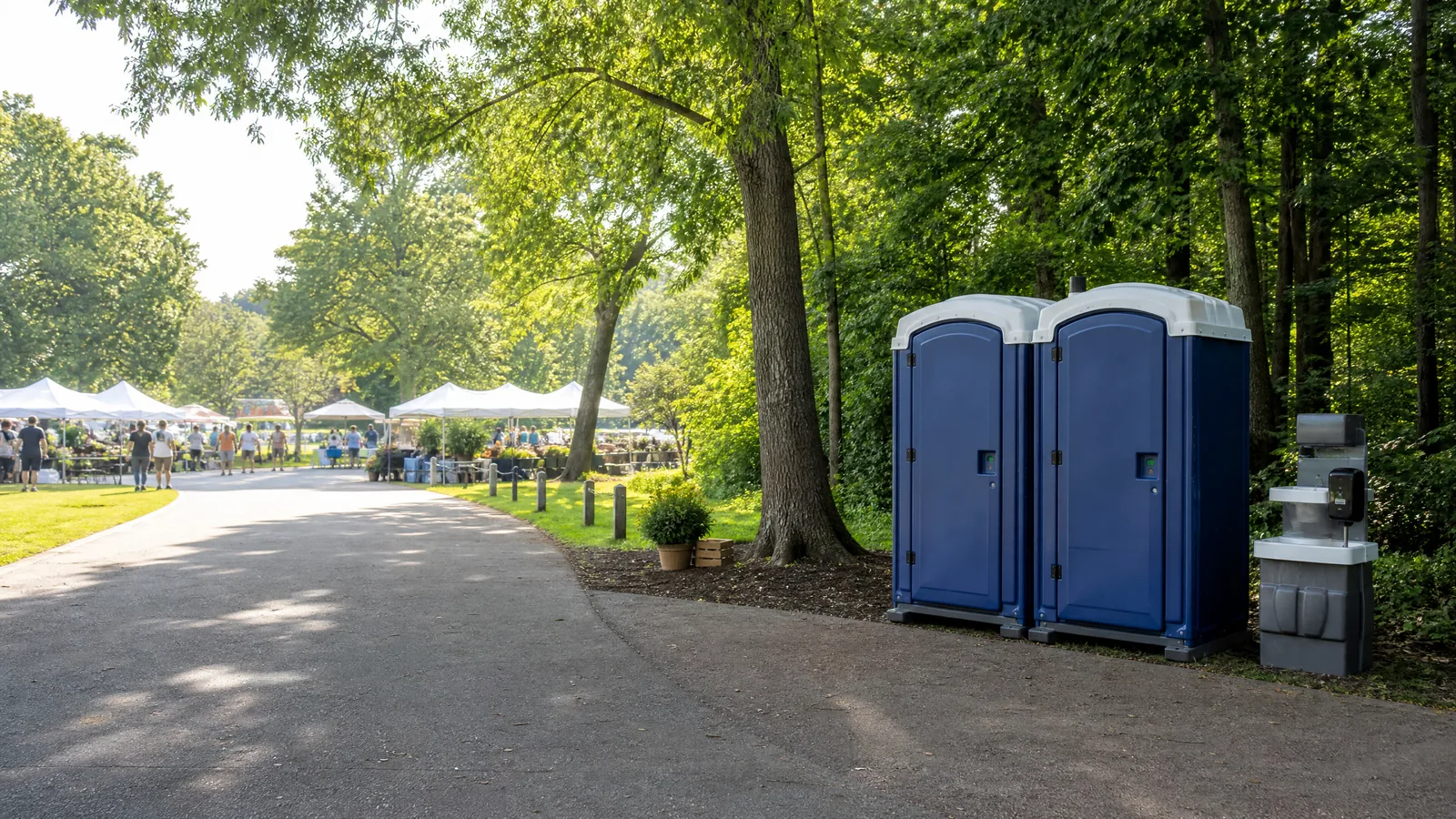
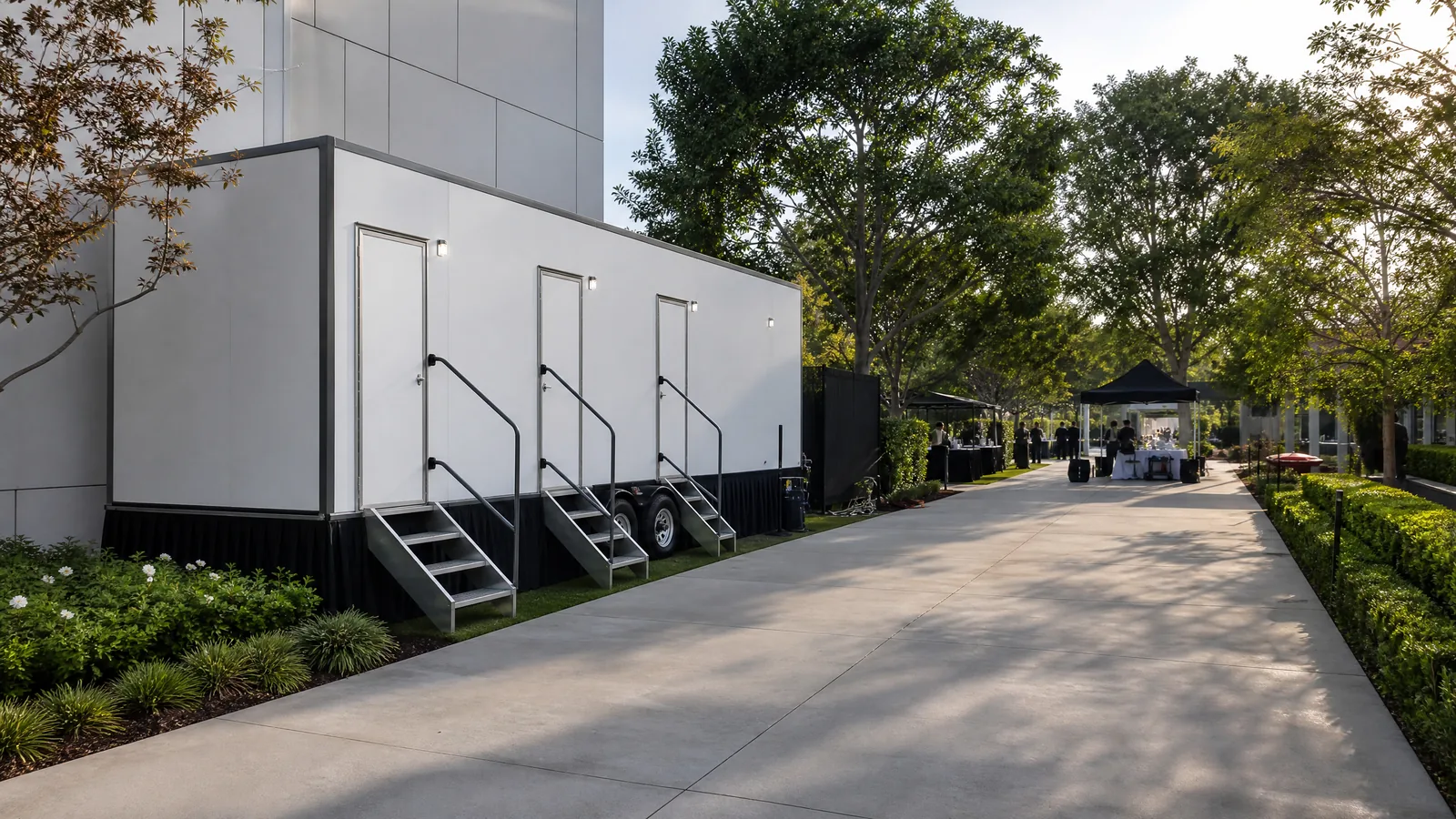
Portable restroom placed beside a landscaped outdoor event area with a clear pedestrian approach

Washington Porta Potty Rentals

Portable restroom planning that respects the site and the people using it

From neighborhood gatherings and park events to urban construction and renovation zones, a practical restroom plan starts with the setting. Consider access, surface, weather, accessibility, hand hygiene, appearance, and changing site conditions before requesting a quote.

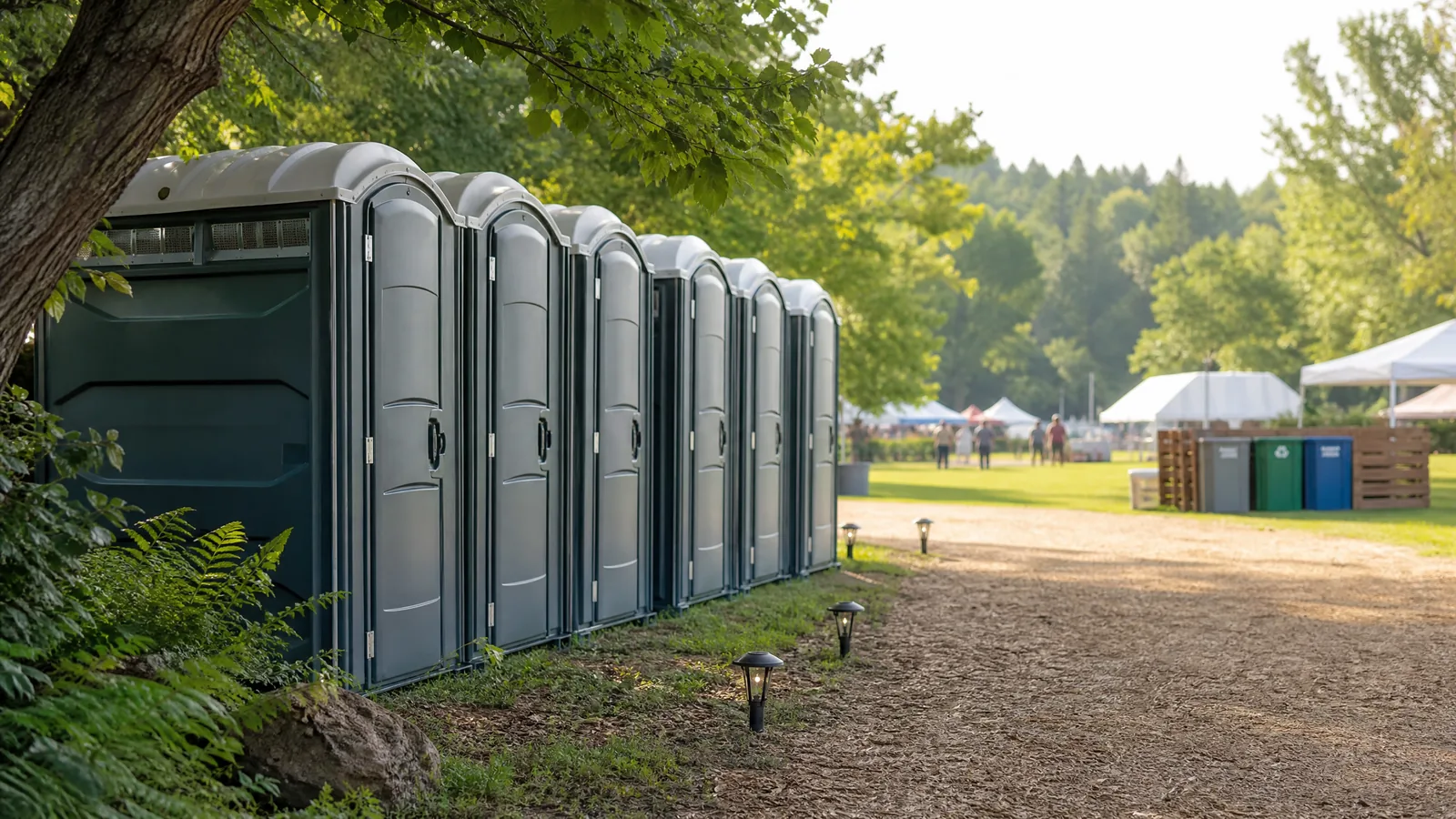
Clean portable restrooms positioned beside a community event walkway.

A complete planning conversation

Services for Washington, DC Events, Jobsites, and Projects

From a single-unit event plan to an extended project layout, start with the setting, people using it, and the conditions that shape a practical placement.

Clean portable restrooms positioned beside a community event walkway.

Event Porta Potty Rentals

Plan restroom placement around Washington, DC festivals, weddings, park programs, ceremonies, street gatherings, and community events. Consider guest circulation, queues, food service, event duration, surface conditions, lighting, accessibility, and a discreet location that remains easy to find without interrupting the main program.

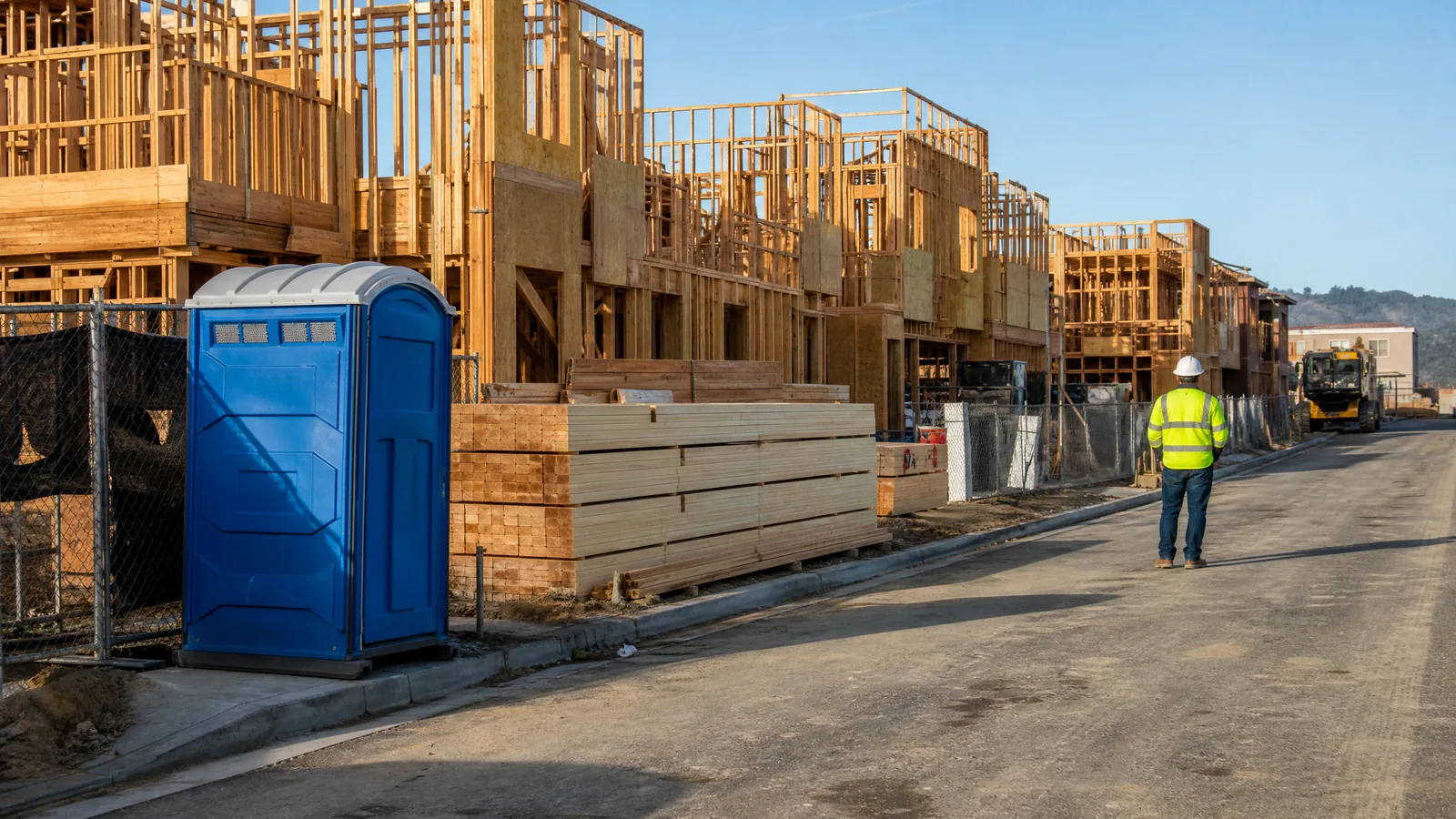
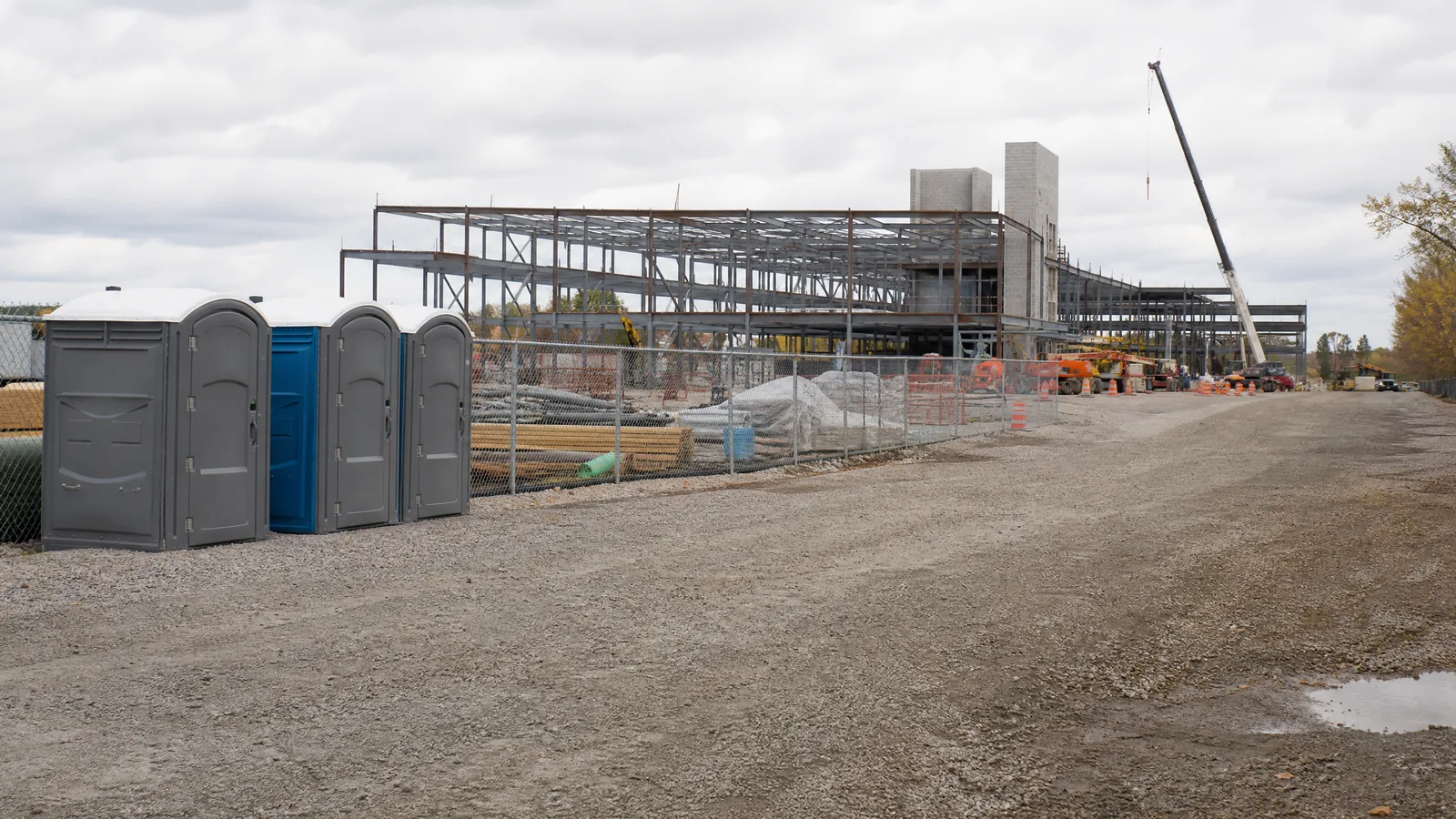
Portable restroom positioned near an active residential construction project.

Construction Site Portable Toilets

Organize job-site restrooms around worker routes, fencing, deliveries, equipment, pedestrian separation, drainage, and changing work phases. A firm, reasonably level placement outside active hazards helps crews reach the unit without crossing unsafe areas, while service access and site logistics should remain practical throughout the project.

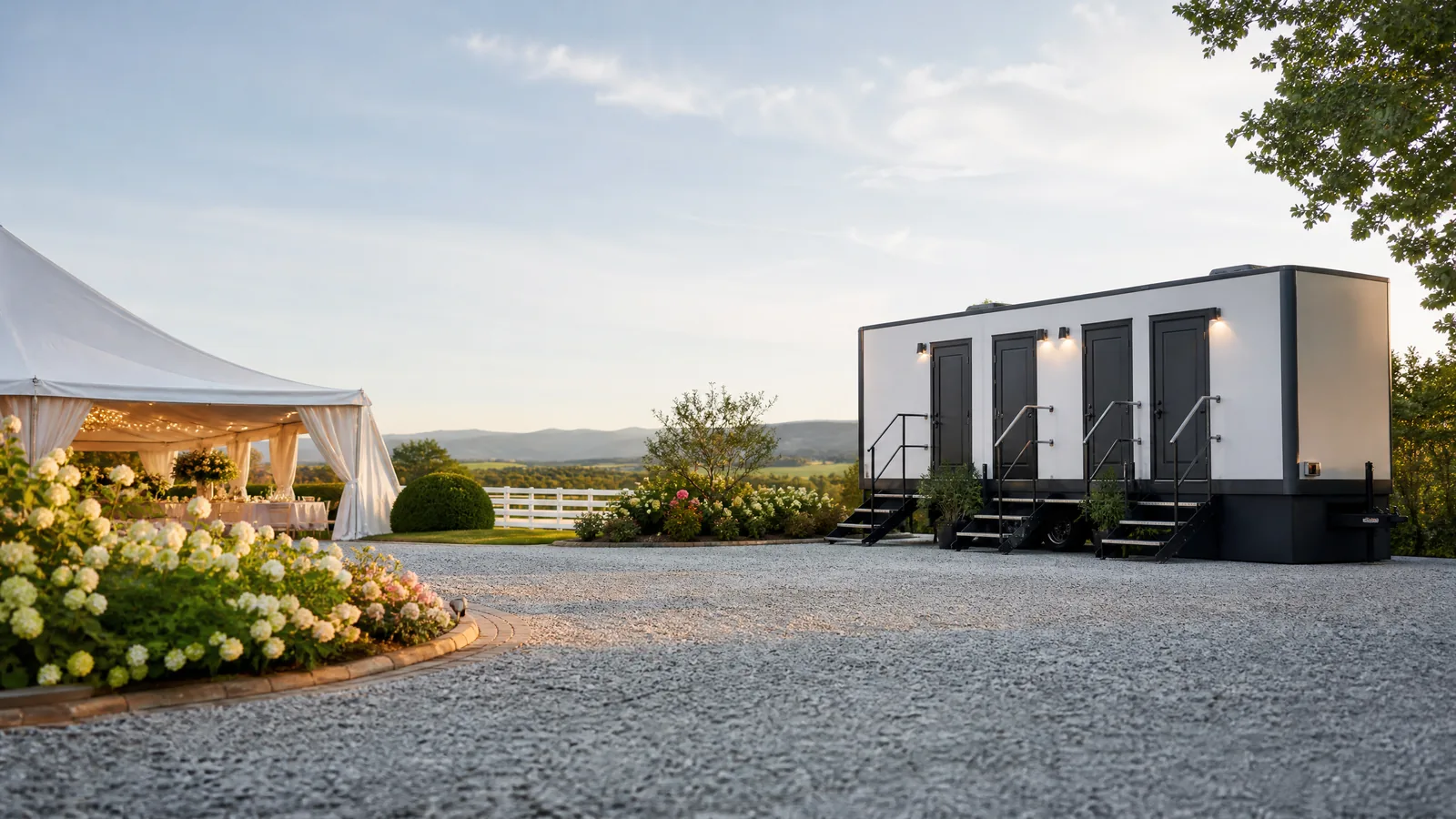
Luxury portable restroom trailer positioned discreetly at an outdoor wedding venue.

Luxury and Specialty Porta Potties

For formal Washington occasions or public-facing locations, discuss whether a higher-presentation or specialty restroom approach fits the venue and guest experience. Review privacy, placement, pedestrian flow, surface, access, and event style with the team rather than assuming a particular specialty option is fixed or universally appropriate.

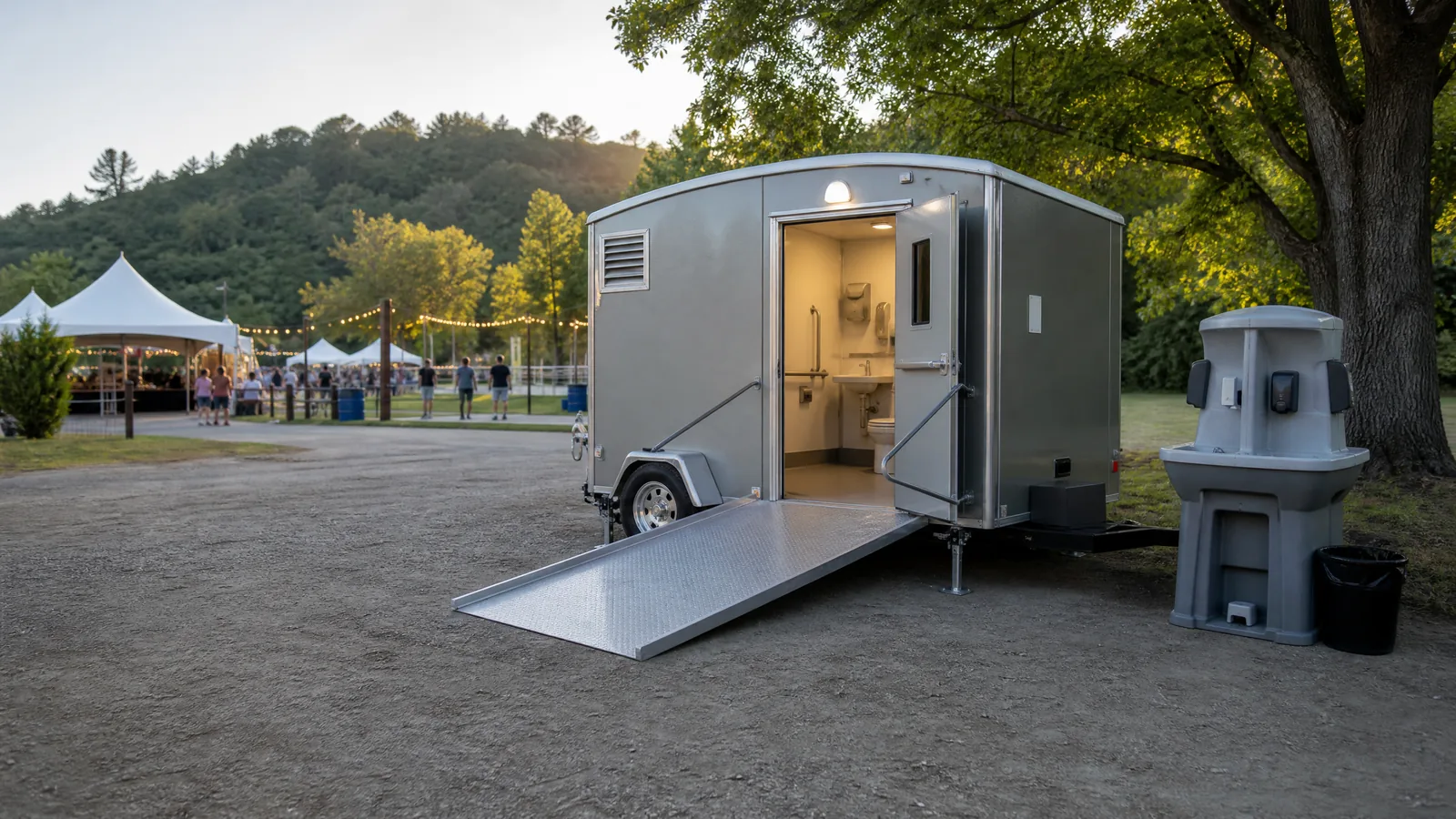
Accessible portable restroom and handwashing station at an outdoor event.

ADA-Compliant Portable Restrooms

Accessible restroom planning includes the unit and the route to it. Review firm, reasonably level approaches, door clearance, turning space, curb cuts, obstacles, lighting, queues, and privacy. Place the accessible option where it is genuinely usable and convenient, and confirm venue and applicable accessibility obligations before finalizing the layout.

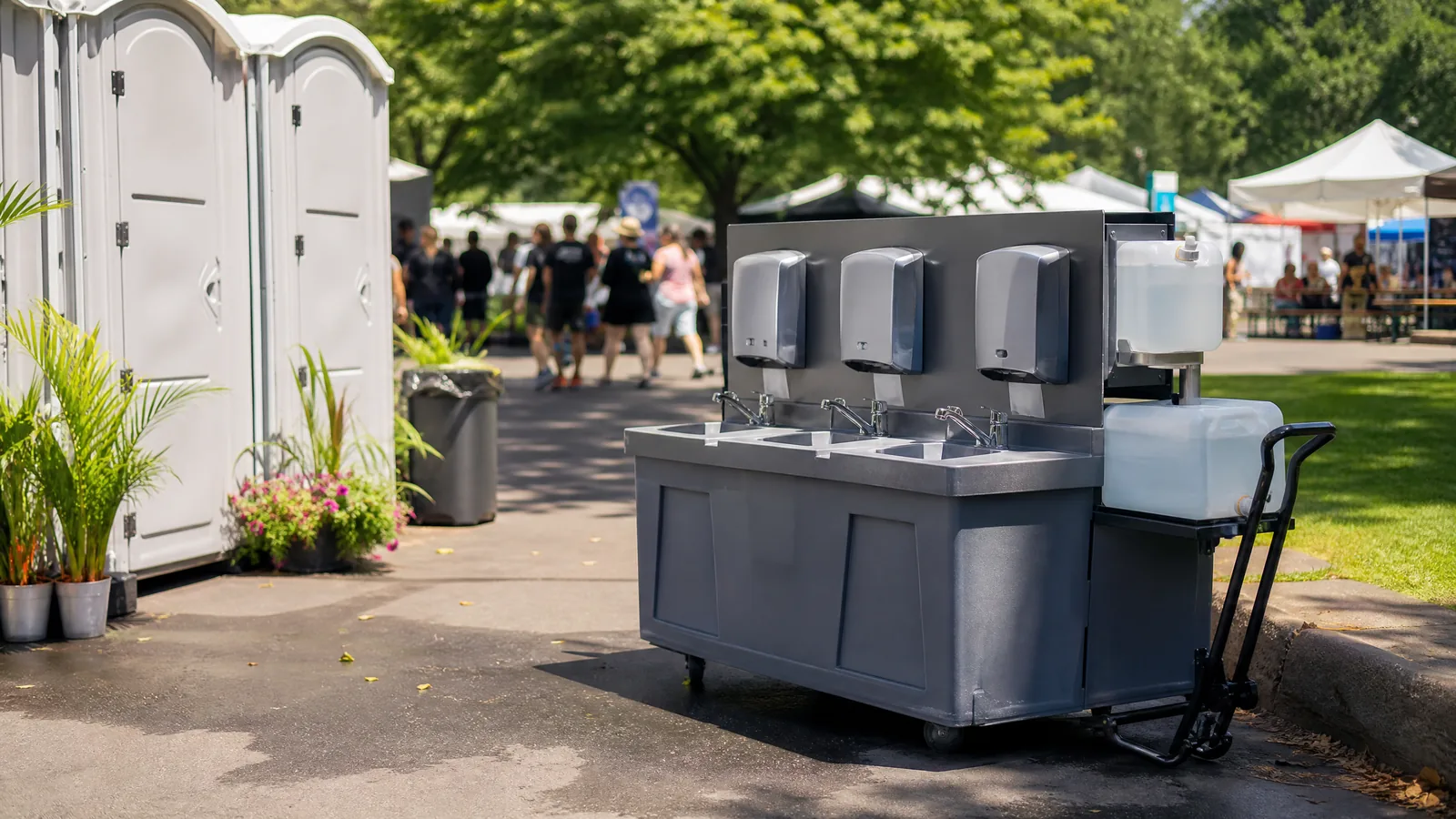
Portable sink station placed near a clean outdoor restroom area.

Portable Sink Station Rentals

Make hand hygiene visible near portable restrooms, food service, children’s activities, shared event areas, or construction break areas. Plan a level, accessible location with enough clearance and attention to drainage, spilled water, lighting, traffic, and equipment routes so the station supports the flow instead of creating another obstruction.

Temporary restrooms supporting a long-term commercial construction project.

Long-Term Porta Potty Rentals

Extended renovations, construction phases, seasonal programs, and occupied locations need a restroom plan that can change. Share the timeline, user patterns, access windows, likely relocation points, backup areas, surface changes, and responsible site contact. Revisit placement after rain, snow, freeze-thaw conditions, deliveries, fencing changes, or new work phases.

Eco-conscious portable restrooms planned for an outdoor community event.

Eco-Friendly Portable Toilet Services

If environmental considerations are important for a Washington, DC event or project, ask the team which eco-friendly service approaches may fit the site and use pattern. Discuss surface protection, access, hand hygiene, waste considerations, weather, and venue expectations without treating an environmental option as fixed inventory or a universal solution.

Portable restroom trailer deployed at a professionally planned outdoor event.

Portable Restroom Trailers

For a formal event, occupied property, or setting where presentation and guest flow matter, ask the team whether a restroom trailer could suit the site. Review footprint, access route, surface, placement, privacy, utilities or logistical considerations, and venue rules first; trailer availability and fit should be confirmed for the specific project.

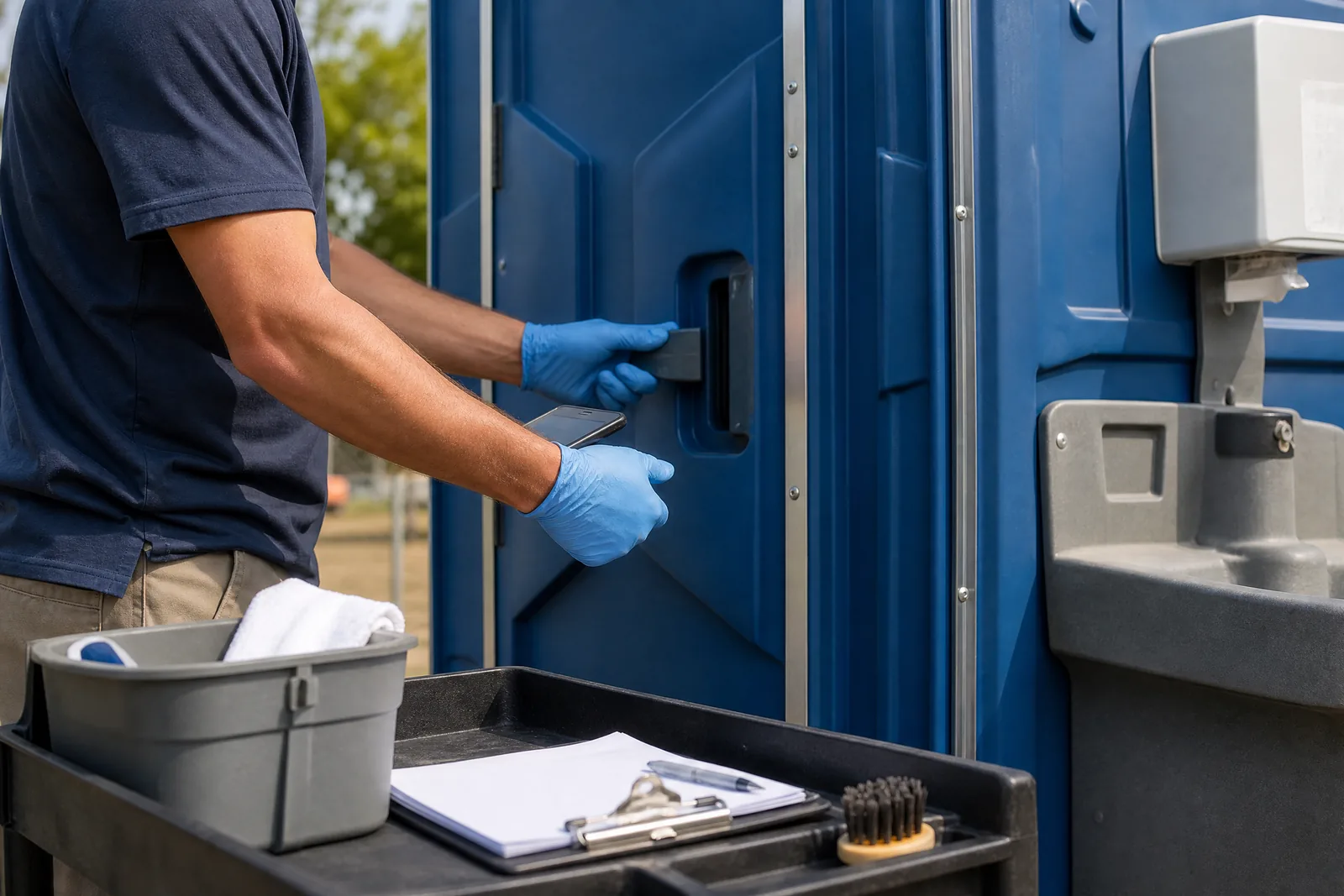
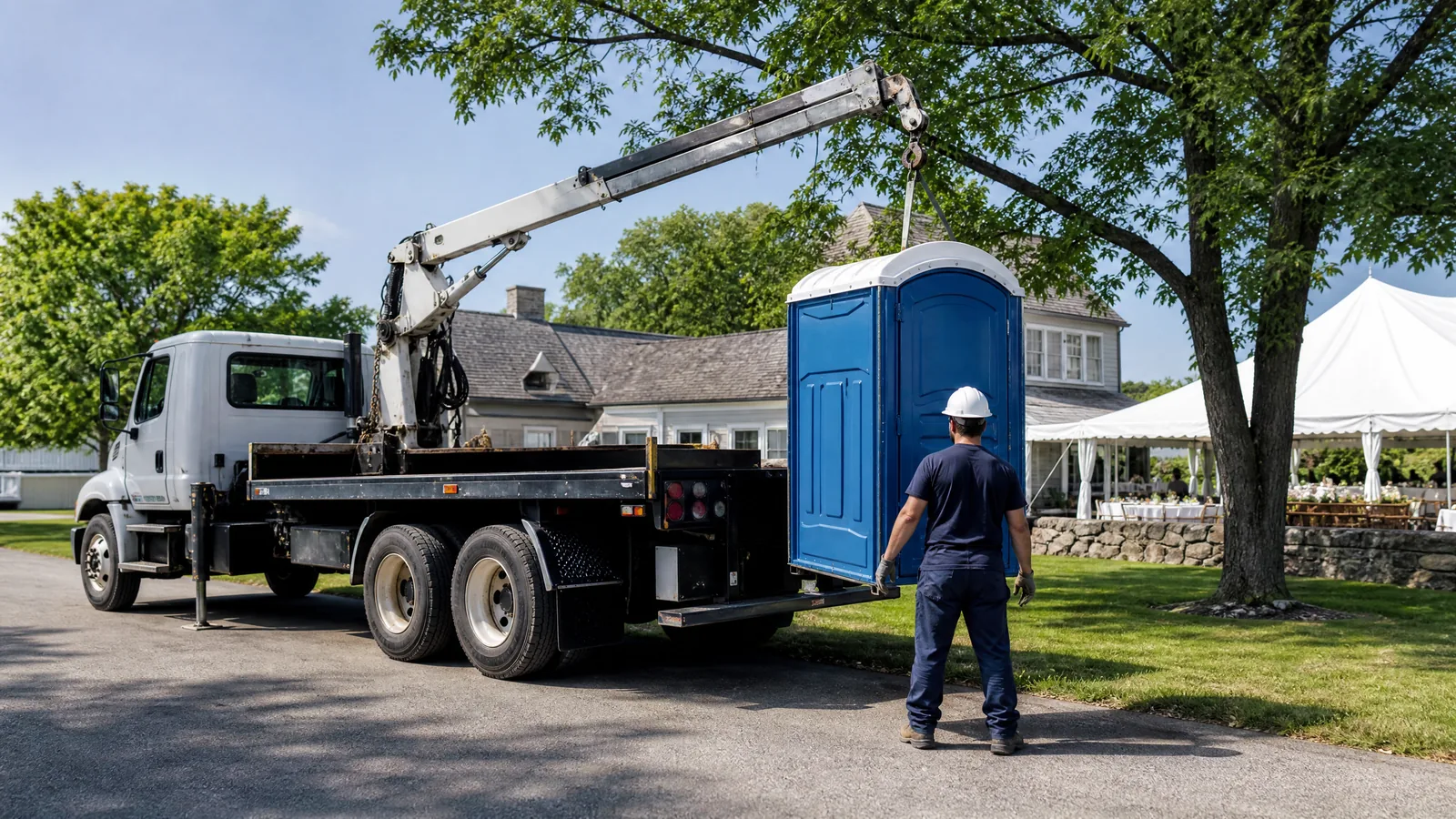
A portable restroom being carefully placed at a planned outdoor site.

Emergency and Special-Project Restrooms

For urgent needs, temporary disruptions, special programs, or unusual site conditions, describe what changed and how people currently access restrooms. Share the location, dates, expected use, hazards, surface, access route, accessibility needs, and site controls so the team can discuss a responsible restroom and placement plan for the project.

A portable restroom being carefully placed at a planned outdoor site.

Local planning context

Portable Restroom Planning in Washington, DC

District events range from neighborhood programs and recreation-site gatherings to larger public programs and National Mall ceremonies, festivals, and special events. Build the restroom area into the site plan alongside tents, stages, food service, queues, power, and pedestrian routes. Keep placement visible but discreet, leave room for circulation and an accessible approach, and consider how visitors will move from arrival to departure.

Washington’s compact, highly urban setting can put temporary restrooms beside active sidewalks, occupied buildings, narrow access lanes, public-facing areas, or constrained construction zones. Identify a firm, reasonably level surface, a practical service route, nearby structures, overhead or underground constraints, fencing, deliveries, and any property or venue controls. The exact site—not a neighborhood name alone—determines the workable arrangement.

Seasonal conditions can affect Washington planning. Heat, rain, cold, mud, drainage, and weather-related changes may alter a route or surface, especially on grass, gravel, slopes, or areas near public circulation. Review shade, lighting, surface protection, and access when conditions change. For sites near Arlington, Alexandria, Bethesda, Silver Spring, or Hyattsville, verify the exact property, access route, and controlling venue or authority before relying on the plan.

Make the details useful

How to plan a portable restroom rental

  1. Describe the setting. Share the Washington, DC site address, project or event type, dates, hours, and expected attendance or crew size.
  2. Map access and placement. Identify the preferred and backup areas, surface, slope, drainage, pedestrian route, service access, fencing, gates, and nearby hazards.
  3. Select practical features. Discuss accessible restrooms, handwashing, presentation, privacy, weather considerations, food service, visitor flow, and changing phases.
  4. Review the site plan. Confirm the proposed placement, venue or property instructions, responsible site contact, and how weather or construction changes will be communicated.

Explore planning guidance

Start with the site details

Talk through your Washington rental plan.

Share the location, dates, expected users, access conditions, and the service mix you are considering. A clear starting brief makes the next planning conversation more useful.

Call (771) 251-5324
Call (771) 251-5324